مدونة Chunxin
وطن

المدونة

المدونة

  • هل تعرف استخدامات الأدلة الخطية؟
    هل تعرف استخدامات الأدلة الخطية؟ Aug 28, 2025
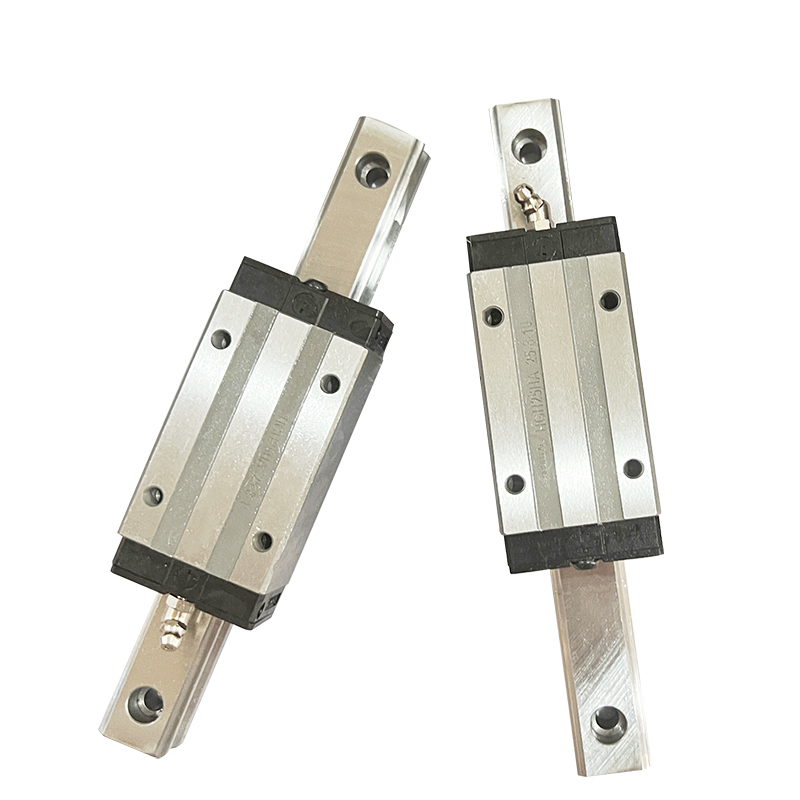
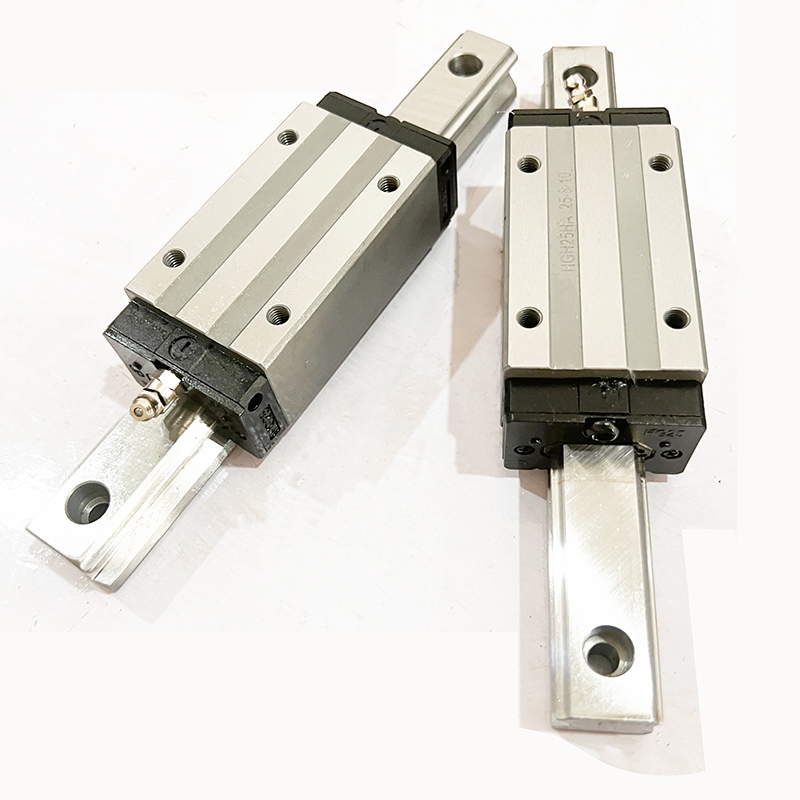
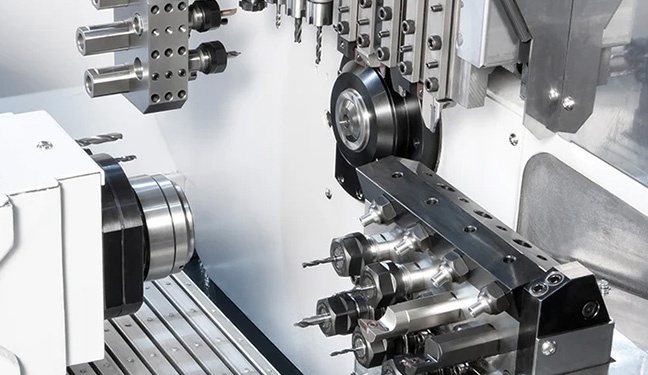
    الأدلة الخطية لها تطبيقات واسعة. فهي تُعدّ بمثابة "العمود الفقري" و"الشريان الرئيسي" للمعدات الصناعية الحديثة والآلات الدقيقة. وتتمثل مهمتها الأساسية في توفير حركة خطية عالية الدقة والصلابة والكفاءة. 1. مجالات التطبيق الأساسية1. أدوات الآلات ذات التحكم الرقمي (CNC) - "المجال الرئيسي"هذا هو مجال التطبيق الأكثر كلاسيكيةً وأهميةً للموجهات الخطية. فهي تُحدد مباشرةً دقة وسرعة تشغيل الآلات.الغرض: التحكم في حركة المكونات الرئيسية مثل البرج والمغزل وطاولة العمل.المعدات المحددة: مراكز التصنيع، آلات الطحن CNC، المخرطة، المطاحن، آلات EDM، إلخ.الوظيفة: تمكن من تحديد المواقع الدقيقة والحركة السريعة للأدوات أو قطع العمل في المحاور X وY وZ، مما يكمل قطع الأجزاء المعقدة. 2. الروبوتات الصناعية - "المفاصل المرنة"الغرض: يعمل كمحور سابع للروبوت (سكة أرضية)، مما يزيد من مسافة حركة الروبوت ونطاق تشغيله. يُستخدم في مفاصل الحركة الخطية داخل أذرع الروبوت، مما يتيح تمديدًا وانكماشًا دقيقًا وسلسًا.الوظيفة: توفر حركة خطية أساسية موثوقة للروبوتات، وتستخدم على نطاق واسع في محطات العمل الروبوتية للتعامل واللحام والطلاء والتجميع والمهام الأخرى. 3. معدات تصنيع الإلكترونيات وأشباه الموصلات - "ملك الدقة" الغرض: تحديد موضع وتحريك المكونات الدقيقة مثل الرقائق والرقائق ولوحات الدوائر. المعدات المحددة: آلات الطباعة الحجرية لأشباه الموصلات، وآلات تغليف الرقائق، وآلات التركيب السطحي (SMT)، وأجهزة ربط الأسلاك، ومجسات الرقاقات، ومعدات مناولة شاشات LCD. الوظيفة: يعد تحقيق تحديد المواقع بسرعة فائقة ودقة فائقة على مقياس الميكرون وحتى النانومتر أمرًا بالغ الأهمية لإنتاج الرقائق والمكونات الإلكترونية. 4. أجهزة القياس الدقيقة - "عيون نارية" الغرض: تحريك أجهزة الاستشعار أو المجسات لمسح وقياس قطع العمل. المعدات المحددة: آلات القياس الإحداثية (CMMs)، وآلات قياس الصور، والماسحات الضوئية بالليزر. الوظيفة: توفير مسار حركة مرجعي دقيق وثابت للغاية لرأس القياس. أي اهتزاز طفيف سيؤثر مباشرةً على نتائج القياس، مما يتطلب دقة عالية من الأدلة الخطية. 5. المعدات الطبية - "منقذو الحياة" الغرض: نقل مكونات تشخيصية أو علاجية. معدات محددة: أجهزة التصوير المقطعي المحوسب، وأجهزة التصوير بالرنين المغناطيسي، والمسرعات الخطية (معدات العلاج الإشعاعي)، والروبوتات الجراحية، وأجهزة التحليل الكيميائي الحيوي الآلية.الغرض: تحقيق حركة دقيقة للمريض أو تحديد موقع دقيق لمعدات العلاج، مما يتطلب تشغيلًا سلسًا وهادئًا وموثوقًا به. II. تطبيقات شائعة أخرىخطوط الإنتاج الآلية: وحدات الحركة الخطية في مناولة المواد، وخطوط التجميع الآلية، وأنظمة الفرز اللوجستية.معدات معالجة الليزر: تقوم بتوجيه حركة رؤوس الليزر في آلات القطع بالليزر واللحام بالليزر.معدات الطباعة: الحركة الترددية لرؤوس الطباعة في الطابعات الرقمية والطابعات كبيرة الحجم.الفضاء والطيران: يستخدم كمنصات اختبار محاكاة للمكونات مثل أجنحة الطائرات ومحركات الصواريخ.الأشياء اليومية: حتى أثاث المكاتب الراقية (مثل المكاتب القابلة لتعديل الارتفاع) وأجهزة المنزل الذكية يمكن أن تجدها فيها. ولتلخيص تطبيقاتها الأساسية:الهدف النهائي منه هو التأكد من أن أحد مكونات الجهاز سريع ومستقر ودقيق وقادر على تحمل الأحمال.إذا كنت مهتمًا بالإرشادات الخطية، فيرجى ترك معلوماتك وسأتصل بك في الوقت المناسب.
  • مصدر قوة الدقة - الدور الأساسي للبراغي الكروية في الروبوتات الذراعية Sep 12, 2025
    الأذرع الروبوتية تلعب الروبوتات دورًا متزايد الأهمية في الأتمتة الصناعية، والجراحة الطبية، وحتى استكشاف الفضاء. فهي قادرة على أداء مهام معقدة كاللحام، والطلاء، والمناولة، والتجميع الدقيق، وحتى الجراحة طفيفة التوغل. وبينما نندهش من دقة الأذرع الروبوتية وسرعتها العالية وقدرتها على تحمل الأحمال الثقيلة، فإن مكونًا رئيسيًا يلعب دورًا حاسمًا: الكرة اللولبية. فهي تحوّل الحركة الدورانية إلى حركة خطية دقيقة. كرة لولبية هو عنصر نقل ميكانيكي يتكون في المقام الأول من برغي رصاصي وصامولة وكرات وعاكس. برغي الرصاص: عمود ذو أخدود حلزوني دقيق. الجوز: مكون يحتوي على أخاديد حلزونية متطابقة في الداخل يتوافق مع المسمار الرئيسي. الكرات: تقع بين الأخاديد الحلزونية للبرغي الرصاصي والصامولة، وتعمل كوسيط. آلية العمل: عندما يُشغّل محرك سيرفو برغي التوصيل، تدور الكرات داخل الأخاديد، دافعةً الصامولة لحركة خطية دقيقة على طول محور برغي التوصيل. هذا "الاحتكاك المتدحرج" هو مصدر أدائها العالي. توفر براغي الكرة مزايا لا يمكن الاستغناء عنها في تصميم مفاصل الروبوت (وخاصة المفاصل الخطية) والمحركات النهائية: 1. دقة عالية ودقة تحديد المواقع تُصنع براغي الكرة بتقنية دقيقة للغاية، مما يُنتج أخطاء توصيل منخفضة للغاية. هذا يعني أن كل دورة محددة للمحرك تُنتج إزاحة خطية دقيقة للغاية للصامولة. وهذا أمر بالغ الأهمية للروبوتات التي يتعين عليها الوصول إلى نفس الموضع مرارًا وتكرارًا لمهام مثل التقاط الرقائق والتوزيع الدقيق. 2. كفاءة عالية بفضل تصميمها الاحتكاكي المتدحرج، يمكن للبراغي الكروية تحقيق كفاءة نقل تتجاوز 90%. أكثر كفاءة في استخدام الطاقة: يتم هدر كمية أقل من الطاقة على شكل حرارة أثناء النقل. تحكم أسهل: تعني الكفاءة العالية رد فعل أقل وقابلية عكسية محسنة، مما يؤدي إلى استجابة أسرع للنظام وتحكم أكثر دقة. 3. صلابة عالية وقدرة على تحمل الأحمال نقطة التلامس بين الكرة والأخدود تُمكّنها من تحمّل أحمال محورية كبيرة. هذا يُمكّن أذرع الروبوت المُزوّدة ببراغي كروية من رفع قطع عمل أثقل أو الحفاظ على ثبات فائق أثناء مهام مثل الطحن والتجليخ، ومقاومة قوى رد فعل التشغيل، ومنع الاهتزاز والانحراف. 4. عمر طويل وموثوقية عاليةيُسبب احتكاك التدحرج تآكلًا أقل بكثير من احتكاك الانزلاق. مع الاختيار السليم والتشحيم والصيانة، توفر براغي الكرة عمرًا افتراضيًا طويلًا للغاية، مما يضمن قدرة الروبوتات الصناعية على تلبية المتطلبات الصارمة للإنتاج المتواصل على مدار الساعة طوال أيام الأسبوع، مع تقليل تكاليف الصيانة ووقت التوقف. تُستخدم براغي الكرة بالفعل على نطاق واسع في الروبوتات الذراعية، مثل: تشغيل مفصل الروبوت الصناعي، والمحركات النهائية للإمساك العالي، وروبوتات SCARA للرفع على المحور Z، وتستخدم على نطاق واسع في التجميع والمناولة. على الرغم من مزاياها الكبيرة، تواجه تطبيقات الكرة اللولبية أيضًا بعض التحديات: التكلفة: تكاليف التصنيع أعلى من تكاليف تصنيع البراغي المنزلقة العادية. الضوضاء: لا يزال يتم توليد بعض الضوضاء حتى عند السرعات العالية. الصيانة: تتطلب التشحيم المنتظم، وهي حساسة للغبار والحطام، وعادة ما تتطلب أغطية واقية. مع تقدم الروبوتات نحو سرعات أعلى ودقة أعلى وذكاء أكبر، ستستمر تقنية الكرة اللولبية في الابتكار.
  • هل الأدلة الخطية عرضة للصدأ؟ مقاومة للتآكل والماء! Oct 21, 2025
    عادي أدلة خطية غالبًا ما تصدأ في البيئات الرطبة، مما يؤثر على تشغيلها. تقدم هذه المقالة حلاً جديدًا لقضبان التوجيه، مقاومًا للتآكل و"مقاومًا للماء"، لحماية ورش العمل عالية الرطوبة، مثل ورش التنظيف وتربية الأحياء المائية. المخاطر الخفية للبيئات الرطبة - تتجاوز نسبة الرطوبة في معدات التنظيف وورش معالجة المنتجات المائية 75%، وهي غالبًا ما تكون معرضة لسوائل التبريد والماء. تصدأ قضبان التوجيه العادية خلال شهر واحد، ويؤدي الصدأ إلى انحشار المنزلق. تتطلب الصيانة إزالة الصدأ واستبدال الملحقات، مما يؤدي إلى تكاليف صيانة شهرية مرتفعة.   قضبان التوجيه مصنوعة من الفولاذ المقاوم للصدأ 304 (عالي المقاومة للتآكل) مع طبقة متعددة الطبقات من الكروم المقاوم للصدأ. اجتازت اختبار رش الملح (500 ساعة) ولم تظهر عليها أي علامات صدأ. حتى مع تعرضها للماء والمبرد لفترات طويلة، تبقى ناعمة وخالية من الصدأ، مما يجعلها مناسبة للبيئات الرطبة والمعرضة للماء.   لأي استفسار، يُرجى ترك رسالة خاصة للحصول على نموذج دليل خطي مقاوم للتآكل. يُوصي المهندسون بالمواد بناءً على رطوبة البيئة ونوع السائل المُلامس!
  • كيفية تثبيت الأدلة الخطية؟
    كيفية تثبيت الأدلة الخطية؟ Oct 31, 2025
    التحضير قبل التثبيت1. الأدوات والموادمنصة التثبيت/قاعدة المعدات: سطح تثبيت مُجهز مسبقًا.مفتاح سداسي: يتوافق مع مسامير سكة التوجيه؛ ويفضل أن يكون مزودًا بشاشة عرض عزم الدوران.مؤشر الاتصال الهاتفي/علامة الاتصال الهاتفي: مع قاعدة مغناطيسية لقياس دقيق.المستوى: درجة الدقة؛ للتسوية الأولية.منصة الرخام أو المسطرة الدقيقة: كمرجع للاستقامة.قطعة قماش خالية من الوبر، أو كحول عالي النقاء، أو الأسيتون: للتنظيف.القفازات: لمنع العرق من تآكل قضبان التوجيه.مفك البراغي أو قضيب الرفع: لتحريك الشريحة. 2. إجراءات التنظيفتنظيف أسطح التركيب: امسح أسطح تركيب سكة التوجيه، والثقوب الملولبة، وأسطح تحديد المواقع المرجعية على قاعدة الجهاز جيدًا بقطعة قماش خالية من الوبر مبللة بالكحول أو الأسيتون. تأكد من عدم وجود أي زيت أو غبار أو نتوءات أو بقايا مانع تسرب قديمة.قضبان التوجيه النظيفة:لا تقم بإزالة العبوة الأصلية لقضبان التوجيه إلا قبل التثبيت مباشرة.بعد إزالة سكة التوجيه، امسح سطحها السفلي والجوانب (أسطح التركيب) برفق باستخدام منظف. لا تمسح سطح مسار السباق أو المنزلق!عادة ما تكون فتحة تعبئة الزيت الموجودة على المنزلق مغلقة؛ لذا احرص على عدم تلويث الجزء الداخلي أثناء التنظيف.الفحص: المس جميع أسطح التركيب للتحقق من عدم وجود أي خدوش أو نتوءات. إذا كانت هناك نتوءات صغيرة، فقم بتلميعها برفق باستخدام حجر زيتي.خطوات التثبيت (مع أخذ زوج من قضبان التوجيه كمثال) الخطوة 1: قم بتثبيت سكة التوجيه الأولى (سكة التوجيه المرجعية)وهذه هي الخطوة الأكثر أهمية، حيث أن دقتها تحدد دقة النظام بأكمله.ضع سكة ​​التوجيه: ضع سكة ​​التوجيه الأولى (عادةً ما تكون الأطول كمرجع) برفق على سطح التركيب. أحكم ربط جميع مسامير التثبيت يدويًا، ولكن لا تُحكمها تمامًا؛ تأكد من سهولة لف المسامير.الاستقامة الصحيحة (اختياري ولكن يوصى به):ضع رأس مؤشر الاتصال على الجانب (السطح النهائي) لقضيب التوجيه.حرّك قاعدة مؤشر القرص ببطء على طول سكة التوجيه، ولاحظ قراءة مؤشر القرص. اضبط القراءات بالنقر برفق على جانب سكة التوجيه (باستخدام مطرقة بلاستيكية أو نحاسية) حتى يصبح الاختلاف ضمن الحدود المقبولة (مثل ±0.01 مم).تضمن هذه الخطوة استقامة قضبان التوجيه الفردية.التثبيت الأولي: بدءًا من البرغي في منتصف سكة التوجيه، شدّ البراغي قطريًا بنسبة 70% تقريبًا من عزم الدوران المُصنّف. هذا يمنع سكة ​​التوجيه من التشوه نتيجةً للإجهاد غير المتساوي.الربط النهائي: مرة أخرى، قم بربط جميع البراغي بشكل قطري إلى 100% من عزم الدوران المقدر.الخطوة الثانية: تركيب سكة التوجيه الثانية (سكة التوجيه المدفوعة)الهدف هو ضمان التوازي بين قضبان التوجيه.تركيب سكة التوجيه الثانية والشرائح: ضع سكة ​​التوجيه الثانية على سطح التركيب، وركّب البراغي مسبقًا. في الوقت نفسه، ركّب الشرائح على سكتي التوجيه على التوالي.توصيل الشرائح: استخدم طاولة عمل الآلة أو لوحة توصيل دقيقة لتوصيل الشريحة. يُشكّل هذا وحدة واحدة.تصحيح التوازي:هذه هي الخطوة الأهم. ضع رأس مؤشر القرص على جانب سكة التوجيه الثانية.قم بدفع طاولة العمل/لوحة التوصيل ببطء للأمام والخلف، مما يتسبب في تحريك الشريحة لنظام القياس بأكمله على طول سكة التوجيه المرجعية.يعكس التغيير في قراءة مؤشر الاتصال خطأ التوازي بين قضبان التوجيه.قم بالتعديل عن طريق النقر بلطف على قضيب التوجيه الثاني حتى يتغير قراءة مؤشر الاتصال إلى الدقة المطلوبة (على سبيل المثال، ±0.01 مم).تأمين سكة التوجيه الثانية:بعد ضبط التوازي، ثبّت سكة التوجيه الثانية في مكانها، ثم فكّ الوصلة بين إحدى الشرائح وطاولة العمل/لوحة التوصيل. هذا لتخفيف الضغط الداخلي الناتج عن المحاذاة القسرية.قم بربط جميع مسامير التثبيت الخاصة بقضيب التوجيه الثاني بشكل قطري وفقًا لعزم الدوران المقدر.الخطوة 3: الفحص النهائي والتزييتالتأكيد النهائي للدقة: ادفع طاولة العمل مرة أخرى وتحقق من التوازي مع مؤشر الاتصال للتأكد من أن الدقة لم تتغير بعد إحكام ربط البراغي.اختبار التشغيل: ادفع طاولة العمل يدويًا، وحركها طوال شوطها. يجب أن يكون التشغيل سلسًا وسلسًا، دون أي التصاق أو أصوات غير عادية أو ضغط غير منتظم.إضافة الشحوم/الزيت:قم بإزالة ختم تركيب الشحم من نهاية المنزلق.استخدم الشحم أو الزيت المحدد، وقم بتطبيقه من خلال مسدس الشحم حتى يفيض الشحم القديم والجديد قليلاً من حافة الختم.قم بتثبيت غطاء الغبار (إن وجد).الاحتياطات والأخطاء الشائعة **ممنوع الضرب:** لا تضرب أبدًا سكة التوجيه أو المنزلق أو المسمار الكروي مباشرةً بمطرقة. استخدم مطرقة بلاستيكية أو نحاسية للضبط الدقيق.**لا تفكّك المنزلق:** المنزلق مُكوّن دقيق. في حال انزلاقه عن سكة التوجيه، قد تتساقط الكرات، مما يُسبب فقدانًا دائمًا للدقة أو تلفًا وظيفيًا. لا تفصل المنزلق عن سكة التوجيه إلا للضرورة القصوى.**تسلسل ربط البراغي بشكل غير صحيح:** سيؤدي ربط البراغي مباشرة من أحد الطرفين إلى الطرف الآخر إلى التواء سكة التوجيه، مما يخلق ضغطًا داخليًا ويؤثر بشدة على الاستقامة والتوازي.التنظيف غير الكافي: حتى جزيئات الغبار الصغيرة التي تدخل مضمار السباق يمكن أن تتصرف مثل "الرمل المطحون"، مما يؤدي إلى تسريع تآكل قضبان التوجيه والمنزلقات بشكل كبير، مما يؤدي إلى الفشل المبكر.تجاهل تخفيف الضغط: يؤدي الفشل في فك اتصال أحد جانبي الشريحة عند تثبيت سكة التوجيه الثانية إلى وضع النظام بأكمله في حالة إجهاد مسبق، مما يزيد من المقاومة أثناء التشغيل، ويولد الحرارة والضوضاء، ويقلل من عمر الخدمة.
  • ما الذي يسبب الضوضاء في براغي الكرة؟ Nov 05, 2025
    أسباب ضوضاء الكرة اللولبيةفي مجال الأتمتة الصناعية وتصنيع الآلات، تُستخدم براغي الكرة على نطاق واسع نظرًا لدقتها وكفاءتها العالية. ومع ذلك، يلاحظ العديد من المستخدمين ضوضاء غير طبيعية صادرة عن براغي الكرة أثناء الاستخدام طويل الأمد، مما يؤثر على استقرار المعدات وعمرها الافتراضي. ستُحلل هذه المقالة الأسباب الشائعة لضوضاء براغي الكرة، وتقدم اقتراحات عملية للصيانة الدورية.يؤدي استبدال الكرة بشكل غير صحيح إلى حدوث ضوضاءتحتوي براغي الكرات الأصلية على كرات متساوية الحجم داخل الصمولة، وهي مُغلّفة بزيت تشحيم، مما يجعلها هادئة جدًا في الظروف العادية. مع مرور الوقت، تتآكل الكرات وتحتاج إلى استبدال. إذا كانت الكرات المُركّبة حديثًا ذات حجم مختلف عن الكرات الأصلية، فسيؤدي ذلك إلى تحميل غير متساوٍ على الصمولة، مما ينتج عنه ضوضاء أعلى.في هذه الحالة، لا تُحقق الكرات التوافق المطلوب، مما يُسبب ضوضاء غير طبيعية أثناء التشغيل، وقد يُسرّع من تآكل المكونات. لذلك، عند استبدال الكرات، من الضروري اختيار كرات مطابقة لمواصفات الكرات الأصلية، والتأكد من تنظيفها وتزييتها جيدًا أثناء التركيب.ملاءمة متراخية وزيادة الخلوصبعد التشغيل لفترات طويلة، قد يؤدي التآكل إلى وجود فجوة بين الصامولة وبرغي TBI في مجموعة المسمار الكروي. هذا الارتخاء في التركيب يُسبب اهتزازًا أثناء التشغيل، مما يُنتج ضوضاء.لا يؤثر الخلوص على دقة النقل فحسب، بل يؤدي أيضًا إلى رنين ميكانيكي، مما يُفاقم مشاكل الضوضاء. يُعدّ فحص إحكام ربط الصامولة والبرغي بانتظام، وضبط الحمل المسبق بشكل صحيح، من الإجراءات المهمة للحد من هذا النوع من الضوضاء.تقشير السطح والاحتكاك غير الطبيعيبعد تحمل الأحمال لفترات طويلة، قد يتقشر سطح الكرة، أو قد يتلف عمود البرغي على سطح القطع. يؤثر هذان الأمران على سلاسة تشغيل الكرات على المسار. تزيد المناطق التالفة من مقاومة الاحتكاك، مما يسبب اهتزازًا غير طبيعي بين الصمولة والعمود، وينتج عنه ضوضاء.في حال ملاحظة أي تقشير أو احتكاك غير طبيعي، يجب إيقاف الآلة فورًا لفحصها واستبدال الأجزاء التالفة. يُعد الحفاظ على مسار سلس وتزييت كافٍ أمرًا أساسيًا لإطالة عمر المعدات وتقليل الضوضاء.التركيز على الصيانة اليوميةتنجم العديد من مشاكل الضوضاء عن إهمال الصيانة اليومية. التنظيف المنتظم وإضافة زيت التشحيم المناسب يُقللان بفعالية من تكرار التآكل والضوضاء غير الطبيعية.علاوةً على ذلك، ينبغي إنشاء سجلات صيانة للمعدات لتوثيق كل عملية إصلاح واستبدال للأجزاء، مما يُمكّن من تحديد الأسباب الجذرية وتحسين كفاءة استكشاف الأخطاء وإصلاحها. ولا يُمكن ضمان التشغيل الهادئ والمستقر طويل الأمد للبراغي الكروية إلا بالالتزام بالإدارة العلمية والصيانة الدقيقة.التحليل العلمي يُسهّل إيجاد حلول دقيقة. في مواجهة ظواهر الضوضاء المختلفة الصادرة عن براغي الكرة، لا داعي للقلق، بل يجب فحص كل قطعة على حدة بناءً على ظروف التشغيل الفعلية. بدءًا من مواصفات الكرة وخلوصها ووصولًا إلى حالة السطح، يُمكن أن تُشكّل كل تفصيلة نقطة انطلاق لحل المشكلة.من خلال التحليل العلمي والتشغيل الموحد، لا يقتصر الأمر على القضاء على مخاطر الضوضاء المحتملة بفعالية فحسب، بل يُحسّن أيضًا الأداء العام للآلات، مما يوفر ضمانًا أكثر كفاءة وموثوقية لخط الإنتاج. وهذا أيضًا جزء لا غنى عنه في إدارة الآلات الحديثة.لمزيد من المعلومات حول معلومات الكرة اللولبية، يرجى الاتصال بنا www.chunxinauto.com!
  • Common mistakes in ball screw selection: 90% of users fall into these traps Nov 13, 2025
    Ball screw selection often involves overlooked details that affect both equipment performance and lifespan. This article reveals three common misconceptions and tips for avoiding these pitfalls, teaching you how to choose the right screw and avoid common mistakes.   Ball screws are frequently used in high-precision transmission and control applications, but many users fall into several common traps when selecting them.   Misconception 1: Focusing only on accuracy precision, ignoring load   Users unfamiliar with ball screws often prioritize accuracy grade while neglecting the actual load requirements in operation. For example, a high-precision C3-grade ball screw used in heavy-duty equipment may fail quickly due to its inability to withstand heavy loads. In a real-world case, a manufacturer's C3-grade ball screw failed after only one month under heavy-duty conditions. Misconception 2: Larger lead means faster speed   Many users believe that a larger lead means faster speed. In reality, the lead must be matched to the motor speed. Setting the lead too large not only limits speed improvement but also easily leads to problems such as vibration and inaccurate positioning. Myth 3: The Operating Components of a Ball Screw   If the installation environment of a ball screw is dusty or humid without protective measures, the lifespan of the ball screw will be significantly reduced. In harsh environments, without effective sealing and lubrication, the lifespan of the ball screw can be reduced by more than half.   Summary:   When purchasing ball screws, it is essential to compare the following five core parameters: - Screw diameter - Lead - Accuracy class - Rated load - Maximum speed   It is recommended to create a selection comparison table, comparing each parameter one by one, and comprehensively considering actual working conditions to ensure a worry-free selection.
  • Popularization Of Knowledge About Linear Guides
    Popularization Of Knowledge About Linear Guides Nov 21, 2025
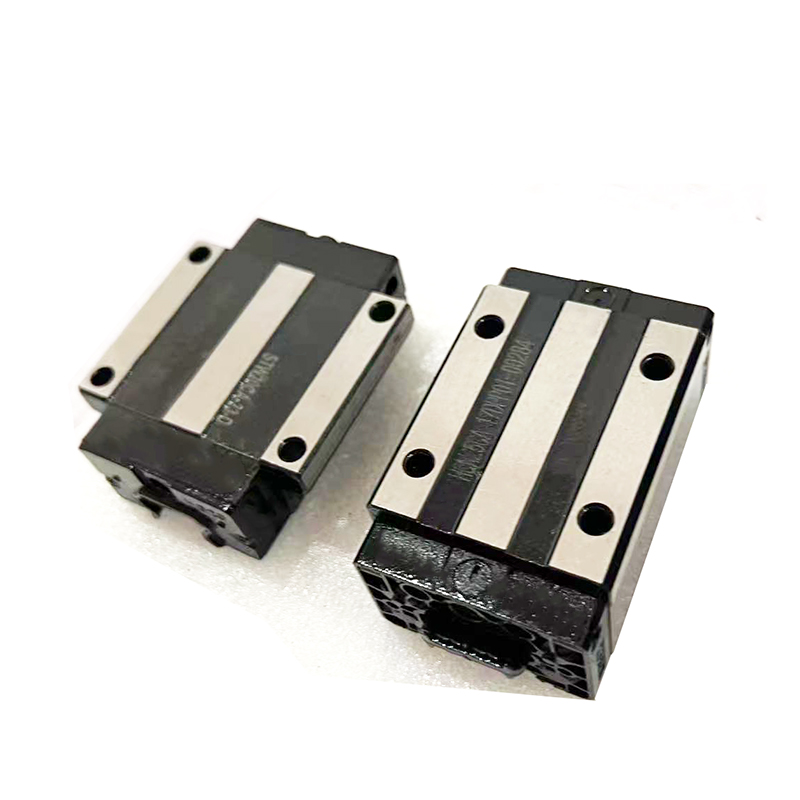
    【Linear guides】can be categorized into ball linear guides, roller linear guides, and wheel linear guides. They are used to support and guide moving parts, enabling them to perform reciprocating linear motion in a given direction. Based on the nature of friction, linear motion guides can be classified into sliding friction guides, rolling friction guides, elastic friction guides, and fluid friction guides.   1. Definition: Linear guides, also known as linear rails, slide rails, or linear guides, are used in linear reciprocating motion applications and can withstand a certain amount of torque, achieving high-precision linear motion under high loads.   2. Function: The function of linear guides is to support and guide moving parts, enabling them to perform reciprocating linear motion in a given direction. Linear bearings are mainly used in automated machinery, such as German-imported machine tools, bending machines, and laser welding machines. Of course, linear bearings and linear shafts are used in conjunction. Linear guides are mainly used in mechanical structures with high precision requirements. The moving and stationary elements of a linear guide do not require an intermediate medium; instead, rolling steel balls are used.   3. Working Principle: It can be understood as a rolling guide, where steel balls endlessly roll and circulate between the slider and the guide rail, allowing the load platform to move easily and linearly along the guide rail with high precision. This reduces the coefficient of friction to one-fiftieth of that of traditional sliding guides, easily achieving very high positioning accuracy. The end-unit design between the slider and the guide rail allows the linear guide rail to simultaneously bear loads in all directions (up, down, left, and right). The patented recirculation system and simplified structural design make HIWIN's linear guide rails have smoother and lower noise movement. The slider transforms the motion from a curve to a straight line. Like planar guide rails, linear guide rails have two basic components: a fixed component that acts as a guide, and a moving component. Since linear guide rails are standard components, for machine tool manufacturers, the only task is to machine a mounting plane and adjust the parallelism of the guide rail. The guide rail, acting as a guide, is made of hardened steel and is precision ground before being placed on the mounting plane. For example, a guide rail system that withstands both linear forces and overturning moments is significantly different in design from a guide rail that only withstands linear forces. Over time, the steel balls begin to wear, weakening the preload acting on them and reducing the motion accuracy of the machine tool's working parts. To maintain initial accuracy, the guide rail support, or even the guide rail itself, must be replaced. If the guide rail system already has a preload, and system accuracy has been lost, the only solution is to replace the rolling elements. The guide rail system is designed to maximize the contact area between the fixed and moving elements. This not only improves the system's load-bearing capacity but also allows it to withstand the impact forces generated by intermittent or heavy cutting, widely distributing the force and expanding the load-bearing area. To achieve this, guide rail systems use various groove shapes, with two representative types: Gothic (pointed arch) grooves, which are extensions of a semicircle with the contact point at the apex; and arc-shaped grooves, which serve the same purpose. Regardless of the structural form, the goal is the same: to maximize the contact radius of the rolling steel balls with the guide rail (fixed element). The key factor determining the system's performance characteristics is how the rolling elements contact the guide rail.   4. Application Areas: ① Linear guides are mainly used in automated machinery, such as German-imported machine tools, bending machines, laser welding machines, etc. Linear guides and linear shafts are used in conjunction. ② Linear guides are primarily used in mechanical structures with high precision requirements. The moving and fixed components of a linear guide do not use an intermediate medium but rather rolling steel balls. This is because rolling steel balls are suitable for high-speed motion, have a low coefficient of friction, and high sensitivity, meeting the working requirements of moving parts, such as tool holders and slides in machine tools. If the force acting on the steel balls is too large, or the preload time is too long, it will increase the resistance of the support movement.   5. Precautions for Use: Prevent Rusting: When handling linear guides directly by hand, thoroughly wash away sweat and apply high-quality mineral oil before handling. Pay special attention to rust prevention during the rainy season and summer. Keep the Environment Clean: Keep the linear guides and their surrounding environment clean. Even tiny dust particles invisible to the naked eye entering the guides will increase wear, vibration, and noise. Installation requires careful attention. Linear guides must be installed with utmost care. Forceful impacts, direct hammering, and pressure transmission through rolling elements are strictly prohibited. Appropriate installation tools are essential. Use specialized tools whenever possible, avoiding the use of cloths or short-fiber materials.   6. Cleaning the Guides: As core components of the equipment, guides and linear shafts function as guides and supports. To ensure high machining accuracy, the guides and linear shafts must possess high guiding precision and good motion stability. During operation, the workpiece generates significant amounts of corrosive dust and fumes. Long-term accumulation of these dust and fumes on the guide and linear shaft surfaces significantly impacts machining accuracy and can form pitting, shortening the equipment's lifespan. To ensure stable machine operation and product quality, regular maintenance of the guides and linear shafts is crucial. Note: For cleaning guides, prepare a dry cotton cloth and lubricating oil. Engraving machine guides are divided into linear guides and roller guides. Cleaning the linear guide rail: First, move the laser head to the far right (or left) to locate the linear guide rail. Wipe it with a dry cotton cloth until it is shiny and dust-free. Add a small amount of lubricant (sewing machine oil is acceptable; do not use machine oil). Slowly move the laser head left and right a few times to distribute the lubricant evenly. Cleaning the roller guide rail: Move the crossbeam to the inside, open the end covers on both sides of the machine, locate the guide rail, and wipe the contact areas between the guide rail and the roller with a dry cotton cloth. Then move the crossbeam and clean the remaining areas.   7. Development Prospects: With the continuous expansion of industries such as power, data communication, urban rail transit, automobiles, and shipbuilding, the demand for linear guide rails will grow rapidly. The linear guide rail industry has huge development potential in the future.   【Slide Block】The slide block material itself has appropriate hardness and wear resistance, sufficient to withstand the friction of movement. The hardness of the cavity or core part on the slide block should be the same level as other parts of the mold cavity and core. 1. Industrial Process Equipment: Molds are crucial process equipment for producing various industrial products. With the rapid development of the plastics industry and the widespread application of plastic products in aerospace, electronics, machinery, shipbuilding, and automotive industries, the requirements for molds are becoming increasingly stringent. Traditional mold design methods are no longer adequate. Compared to traditional mold design, Computer-Aided Engineering (CAE) technology offers significant advantages in improving productivity, ensuring product quality, reducing costs, and alleviating labor intensity.   2. Applications: Widely used in spraying equipment, CNC machine tools, machining centers, electronics, automated machinery, textile machinery, automotive, medical devices, printing machinery, packaging machinery, woodworking machinery, mold making, and many other fields.   If you have any questions in this regard, our product experts are happy to answer them! Our engineering team will be happy to answer your technical questions about the applications of our products as soon as possible. This article was compiled from online sources for the purpose of disseminating more information. If it infringes upon your rights, please contact us for deletion. For information on lead screws/guide rails/slider/spindles/machine tools, please feel free to contact us.
  • How to use linear guides efficiently? Dec 23, 2025
    The linear guide slider achieves efficient continuous operation 24 hours a day without jamming. The core reason lies in the synergistic effect of its structural design, lubrication system, and material manufacturing process, while the accompanying installation and maintenance specifications also play a crucial role. Specifically, this can be divided into the following aspects: High-precision rolling friction structure, replacing sliding friction The core of the linear guide is the rolling contact between the balls/rollers inside the slider and the guide rail. Compared to the surface contact of traditional sliding guides, the coefficient of friction in rolling contact is extremely low. This structure significantly reduces resistance and heat generation during operation. Even during long-term continuous operation, excessive frictional heat will not cause component expansion and jamming. Simultaneously, the circulating design of the balls/rollers ensures that the slider receives uniform force throughout its movement, without any jamming or interruption points. A stable and reliable lubrication system ensures long-term operation. Lubrication is a core element in preventing jamming. Linear guides are typically equipped with a long-lasting lubrication structure: The slider has a built-in oil reservoir and grease holder to store sufficient grease, continuously supplying oil to the ball/guide contact surfaces during operation, forming an oil film and reducing wear and resistance from direct metal-to-metal contact. Some industrial-grade guides also support automatic lubrication systems, which can replenish lubricant at regular intervals and in measured amounts to meet the lubrication needs of 24-hour uninterrupted operation. High-quality grease possesses high-temperature resistance, anti-aging properties, and load-bearing capacity, and will not be lost or fail due to temperature increases during prolonged operation. High-rigidity, wear-resistant materials and surface treatment processes The core components of the guide rails and sliders are generally made of high-carbon chromium bearing steel. After quenching, the hardness can reach HRC58~62, possessing extremely strong wear resistance and fatigue resistance. They are not prone to wear or deformation during long-term operation, avoiding jamming caused by component deformation. The guide rail surface undergoes precision grinding, achieving a roughness of Ra0.1~0.2μm. Combined with high-precision grinding of the ball bearings, this ensures smooth movement. Some products also undergo chrome plating, nitriding, and other surface treatments to further enhance wear resistance and rust prevention, preventing jamming caused by corrosion. Sealed and dustproof design to isolate external impurities Impurities (such as dust and iron filings) entering the slider are a common cause of jamming. Therefore, linear guides are equipped with professional seals: Dustproof sealing rings are installed at both ends of the slider, and a scraper plate is also provided on the outside to remove dust and debris from the guide surface, preventing them from entering the ball circulation channel; In harsh working conditions, dust covers, bellows, and other accessories can be added to completely isolate external contaminants, ensuring the cleanliness of internal moving parts and maintaining long-term smooth operation. Proper installation and load matching In practical applications, correct installation accuracy and load selection are also prerequisites for 24-hour jam-free operation: During installation, ensure the parallelism and straightness of the guide rail to avoid uneven force on the slider, uneven wear, and jamming due to installation deviations; During selection, choose a guide rail of appropriate specifications according to the actual load to ensure that the load is within the rated range and prevent overload from causing ball deformation or jamming.
1 2
ما مجموعه 2الصفحات
اتصل بنا
جمع : Chenggong Village Committee, Lukou Town, Nanjing, Jiangsu, ChinaTechnology Park
اشترك

يرجى القراءة ، والبقاء على اطلاع ، والاشتراك ، ونحن نرحب بك لإخبارنا برأيك

إرسال

احصل على الاتجاهات

YOUTUBE

حقوق النشر @ 2024 Nanjing Chunxin Automation Equipment Co., Ltd., Limited. كل الحقوق محفوظة. دعم الشبكة

خريطة الموقع المدونة Xml سياسة الخصوصية

اترك رسالة

اترك رسالة
إذا كنت مهتما بمنتجاتنا وتريد معرفة المزيد من التفاصيل ، فالرجاء ترك رسالة هنا ، وسوف نقوم بالرد عليك في أقرب وقت ممكن.
إرسال

وطن

منتجات

واتس اب

الاتصال